
The psychology behind risk-taking in gambling behavior
By aieccainfo@gmail.com
The psychology behind risk-taking in gambling behavior
Understanding Risk-Taking in Gambling
Risk-taking in gambling is often driven by a complex interplay of psychological factors. Central to this behavior is the concept of thrill-seeking, where individuals are motivated by the excitement that comes from uncertainty and potential loss. This thrill can trigger a release of dopamine in the brain, a neurotransmitter associated with pleasure and reward. As a result, the act of gambling becomes more than just a monetary endeavor; it transforms into a compelling psychological experience that many find irresistible. If you’re interested in increasing your chances, consider the payid withdrawal pokies australia options available in the market.

Furthermore, cognitive biases play a crucial role in how gamblers perceive risk. The illusion of control is one such bias where individuals believe they can influence the outcome of a game, even when the result is purely random. This overconfidence can lead gamblers to take unnecessary risks, driving them to place larger bets or engage in more frequent gambling sessions. Understanding these cognitive distortions can shed light on why certain individuals are more prone to gambling-related issues.
Another important factor is the social context in which gambling occurs. Many individuals engage in gambling as a form of social interaction, whether it be in casinos, betting shops, or online platforms. The presence of peers can amplify risk-taking behaviors, as individuals often seek validation or approval from others. This social reinforcement can lead to a cycle of increased risk-taking, where individuals become more willing to gamble in pursuit of social acceptance or to impress friends.
The Role of Emotional Factors
Emotions significantly influence gambling behavior, often dictating whether individuals engage in risk-taking or play it safe. Many gamblers experience heightened emotions, such as excitement or anxiety, particularly when placing bets or during critical moments in a game. This emotional state can cloud judgment, leading to impulsive decisions that prioritize immediate gratification over long-term consequences. As emotions fluctuate, they can either encourage further gambling or deter individuals based on the outcomes of previous bets.
Losses can elicit a powerful emotional response, triggering what is known as “chasing losses.” This phenomenon occurs when individuals continue to gamble in hopes of recouping their previous losses, often leading to even greater financial detriment. The psychological stress associated with losing can create a sense of desperation, blinding individuals to rational decision-making. This emotional cycle can be difficult to escape, perpetuating a pattern of risk-taking behavior.
Conversely, winning can also heighten emotional responses and encourage riskier behaviors. The euphoria that comes from a significant win can lead to an inflated sense of confidence, prompting gamblers to make larger bets in the hope of replicating their success. This emotional high can create a feedback loop, where the initial win encourages further gambling and risk-taking, often to the detriment of the gambler’s finances and well-being.
Cognitive Dissonance and Gambling
Cognitive dissonance, the mental discomfort experienced when holding conflicting beliefs, is prevalent in gambling behavior. Gamblers may find themselves rationalizing losses as a necessary part of the risk-taking experience, often convincing themselves that their luck will change. This rationalization allows them to continue participating in gambling activities, despite the negative consequences they may face. Understanding cognitive dissonance can reveal why many gamblers persist in their behavior, even when it is detrimental to their financial and mental health.
Moreover, gamblers often create narratives around their betting experiences, framing losses as part of a larger strategy or learning process. This storytelling serves as a coping mechanism, allowing individuals to maintain their self-esteem and continue gambling without confronting the reality of their situation. The process of self-justification further entrenches the gambler in a cycle of risk-taking behavior, where they believe that future outcomes will be more favorable.
The impact of cognitive dissonance extends beyond individual gamblers; it can also influence social perceptions of gambling. Individuals within a social circle may reinforce each other’s beliefs about gambling, further entrenching risky behaviors. If a group values the thrill of gambling and views losses as simply part of the game, this shared perspective can amplify cognitive dissonance and encourage collective risk-taking.
The Impact of Environment and Accessibility
The environment in which individuals gamble plays a significant role in shaping their risk-taking behaviors. For instance, the accessibility of gambling venues or online platforms can enhance impulsivity, as individuals may place bets without fully considering the potential consequences. Online gambling has particularly exacerbated this issue, allowing players to gamble at any time and from any location. This convenience can lead to compulsive behaviors, where individuals find themselves gambling more frequently and in higher amounts than they initially intended.
Cultural perceptions of gambling also affect risk-taking behaviors. In some societies, gambling is viewed as an accepted form of entertainment, while in others, it is frowned upon. These cultural attitudes influence how individuals engage with gambling, shaping their willingness to take risks. For example, in cultures that celebrate gambling as a rite of passage or a sign of bravery, individuals may be more inclined to take risks, believing it to be a normal part of life.
The physical environment of casinos and gambling establishments further enhances risk-taking behaviors. The design, lighting, and ambiance of these venues are meticulously crafted to create a sense of excitement and urgency, encouraging patrons to engage in higher-risk activities. By manipulating sensory experiences, gambling establishments can effectively increase the likelihood of individuals taking significant risks, transforming casual gamblers into high-stakes players.
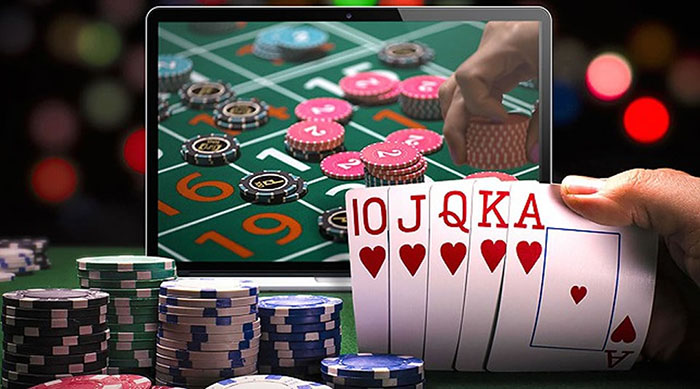
Enhancing Your Gambling Experience with PayID
At PayID Pokies Australia, we understand the complexities of gambling behavior and the psychological aspects that drive risk-taking. Our platform is designed to help you navigate the world of online casinos while prioritizing both security and convenience. With PayID, you can enjoy fast and secure transactions, allowing you to focus more on your gaming experience and less on the logistical challenges of depositing and withdrawing funds.
Our curated list of top online casinos features environments that cater to both new and seasoned players. We offer comprehensive guides that illuminate various aspects of gambling, from understanding the psychology behind risk-taking to exploring effective strategies for responsible gaming. By equipping our users with knowledge, we aim to foster a balanced approach to gambling, promoting enjoyment while mitigating potential risks.
Join us at PayID Pokies Australia to explore the exciting world of online gaming. Whether you’re seeking information on setting up your PayID or looking for the best places to play, we are your ultimate resource. Let us enhance your gaming experience with exclusive bonuses and valuable insights that empower you to make informed decisions in your gambling journey.