
Navigating the Modern Personal Loan Market
By aieccainfo@gmail.com
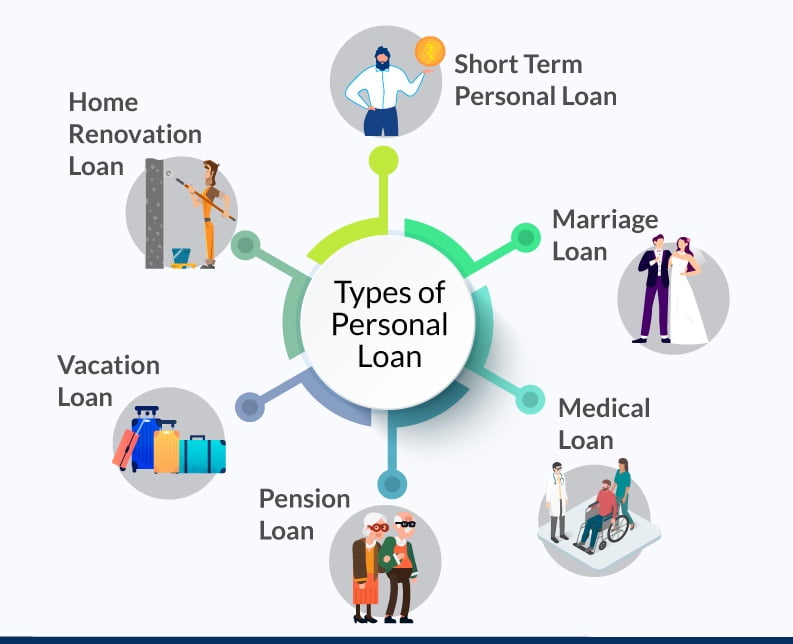
That is where most people get stuck. You have a dream, maybe a kitchen remodel, a wedding, or a sudden medical bill, and you see the word “loan” as a barrier instead of a tool. The truth is that personal finance has fractured into a thousand different directions over the last decade. You aren’t just dealing with your local branch anymore. You’re looking at digital-first apps, specialized fintechs, and traditional banking giants all fighting for the same slice of your credit score.
It isn’t a one-size-fits-all market. A borrower in the UK has a completely different set of options than someone looking for Shari’a-compliant financing in Saudi Arabia or a quick digital loan in Croatia. To understand how these products actually work, you have to look past the glossy marketing and focus on the actual terms: interest rates, repayment windows, and whether or not you need collateral.
Comparing Fixed Rates and Digital Accessibility
The shift toward mobile-first banking has changed how we think about debt. It used to be that a loan required a physical meeting, a mountain of paperwork, and a week of waiting. Now, that friction is gone. For instance, users can apply for an online personal loan in the mojaRBA app through RBA for clients of all banks at a 5.00% fixed interest rate. This kind of accessibility is becoming the baseline expectation for everyone.
But accessibility doesn’t always mean the lowest cost. A fixed rate offers a bit of psychological safety; you know exactly what your monthly outflow will be, no matter what central banks do. This makes budgeting a lot easier. If you’re planning a major life event, a variable rate is a gamble you might not want to take.
The Trade-off of Speed vs. Stability
When you prioritize speed, you sometimes pay a premium. Digital lenders often provide the fastest approval times because they rely on automated credit scoring. This is great for emergencies, but you have to check the fine print on the total cost of credit.
- Fixed Rates: Provide certainty but may prevent you from benefiting if market rates drop.
- Variable Rates: Can be cheaper initially but carry the risk of monthly payment hikes.
- Digital Approvals: Fast, but often require more stringent digital verification.
The speed of these services is usually what drives the decision. People need money when they need it, not three weeks later when a loan officer is on holiday. This urgency is what keeps the industry moving.
Specialized Products and Religious Compliance
Not every loan is built on the concept of interest the way Westerners think about it. In many markets, the structure of the debt has to align with specific cultural or religious principles. This isn’t just a niche preference; it’s a requirement for millions of customers.
Take the offerings in the Middle East, for example. Some institutions provide Shari’a-compliant personal finance that allows for flexibility without the traditional interest-based structure. One such option is the loan without salary transfer from Riyad Bank, which allows for easier access and repayment terms that can extend up to 60 months. This matters because it addresses a specific need: keeping control over where your paycheck is deposited while still accessing necessary capital.
In other markets, like Malaysia, the focus shifts toward private sector financing. Bank Rakyat offers Personal Financing-i Private, which is designed to meet current financial needs through competitive profit rates. It’s just a different way of looking at the “cost” of money.
Understanding Profit Rates vs. Interest Rates
In Shari’a-compliant finance, the concept of “profit” replaces “interest.” While the math might look similar for the borrower’s monthly payment, the legal and ethical framework is entirely different.
It is important. (The distinction matters for your long-term planning.)
When you evaluate these products, look at the “effective” rate. A profit rate might sound lower than a standard interest rate, but if the repayment structure is more aggressive, you could end up paying more over the life of the loan.
Always ask for a full amortization schedule. This shows you exactly how much of every single payment goes toward the principal versus the profit or interest. Without this, you’re flying blind. Many people assume they are paying down debt quickly, only to find out they are barely touching the principal for the first two years.
The Impact of Collateral and Credit History
Collateral is often where loan applications fall apart. For a long time, “personal loan” meant “unsecured loan,” meaning you didn’t have to put your house or car on the line. That’s changing as lenders get smarter with data.
At HDB Financial Services, they provide collateral-free loans that are designed to be quick and hassle-free. This is a big selling point for anyone needing liquidity without risking their main assets. However, “collateral-free” doesn’t mean “no scrutiny.” Lenders will still look at your income stability and your debt-to-income ratio with a magnifying glass.
If you are looking for Brand Anchors in the credit space, you’ll find the competition is fierce. Lenders constantly adjust their risk appetite. One month, a bank might be willing to lend to someone with a lower credit score; the next, they tighten up because the economy looks shaky.
Here is a comparison of loan structures commonly found in the market today:
| Loan Type | Security Required | Primary Benefit | Primary Risk |
| Unsecured Personal | None | Fast, no assets at risk | Higher interest rates |
| Secured Personal | Asset (Car/Home) | Lower interest rates | Loss of asset if default |
| Professional/Specialized | Often None | Tailored for specific jobs | Strict eligibility criteria |
The debt-to-income ratio (DTI) is still the most important number in your file. If your monthly debt obligations exceed 35% to 40% of your gross monthly income, most mainstream lenders will likely decline you, regardless of your collateral. They want to see “breathing room” in your budget. If you are living paycheck to paycheck, a loan is just a temporary bandage on a structural wound.
Term Lengths and the Trap of Low Monthly Payments
A common mistake borrowers make is focusing entirely on the monthly payment. It feels good to see a number that fits your current budget. But that comfort is often an illusion created by a long repayment term.
Anb offers personal loan services with competitive low rates and repayment terms of up to 5 years. A 5-year term looks great because it keeps your monthly bill low. But when you do the math, those extra years of interest can turn a small loan into a massive financial burden.
The Math of Longevity
If you borrow $10,000 at 10% interest:
- A 2-year term might cost you roughly $460 per month. Total interest: ~$1,000.
- A 5-year term might cost you roughly $212 per month. Total interest: ~$2,700.
You’ve effectively doubled your interest cost just to gain an extra $250 of monthly breathing room. This is how people get stuck in a debt cycle. They take out a loan to pay off a credit card, stretch the term to 5 years to make the payment manageable, and then find themselves paying more in interest than the original debt was worth.
Novuna Personal Finance has been helping customers reach goals for over 40 years, and their experience is a reminder that these products are tools. Like any tool, you can use them to build something or to destroy it. If you use a loan to buy an asset that appreciates, you’re using it correctly. If you use it to fund a lifestyle you can’t afford, you’re just digging a hole.
The real question isn’t whether you can afford the monthly payment. It’s whether you can afford the total cost of the loan. Always calculate the total repayment amount before you sign. If that number makes your stomach turn, walk away.
A skeptic might ask: “But isn’t it better to have more cash on hand each month?” The answer is no, if it means paying double the interest to a bank. Prioritize the total cost of debt over the immediate comfort of a low monthly payment.
Common questions
What is the difference between a personal loan and a line of credit?
A personal loan provides a lump sum of cash upfront with a fixed repayment schedule, whereas a line of credit allows you to draw funds as needed up to a specific limit.
How does my credit score affect my loan interest rate?
A higher credit score indicates lower risk to lenders, which typically qualifies you for lower interest rates and better loan terms.
What are the common requirements for qualifying for a personal loan?
Lenders generally require proof of steady income, a stable residential address, and a sufficient credit score to ensure repayment ability.
Can I use a personal loan for debt consolidation?
Yes, personal loans are frequently used to consolidate high-interest credit card debt into a single monthly payment with a lower interest rate.
Are there penalties for paying off a loan early?
Some lenders charge prepayment penalties to offset lost interest, so it is essential to check your loan agreement for any early repayment fees.